
When you think about homeowners insurance, what usually comes to mind? Your house, roof, garage, furniture, and expensive household belongings probably top the list. But what about the beautiful garden outside your home?
Imagine spending years creating a stunning backyard filled with colorful flowers, mature trees, decorative shrubs, vegetable beds, a green lawn, and beautiful landscaping. You have invested money, time, and countless weekends into making your outdoor space special.
Then, one unexpected storm, fire, or accident damages everything.
Would your homeowners insurance help pay to restore your garden?
Surprisingly, the answer may be yes!
Many U.S. homeowners are unaware that certain homeowners insurance policies include limited protection for landscaping, trees, shrubs, and plants. However, coverage depends on the cause of damage, policy limits, exclusions, and the specific insurance company.
In 2026, understanding these details could help homeowners avoid unexpected expenses and make smarter decisions about protecting their outdoor investments.
Let’s explore what garden insurance coverage really means, what homeowners insurance may protect, and what you should check before assuming your backyard is financially protected.
1. Can Your Garden Really Be Covered by Homeowners Insurance?
Yes, certain parts of your garden may be covered under a standard homeowners insurance policy.
In the United States, many homeowners insurance policies include limited coverage for landscaping features such as:
Trees and decorative plants
Shrubs and bushes
Flower beds
Certain lawn and landscaping features
Plants growing around your residential property
However, this does not mean every plant, flower, or garden feature is automatically insured.
Insurance companies generally apply specific coverage conditions and financial limits. The damage must usually result from a covered event listed in the policy.
For example, if a fire damages several ornamental plants in your backyard, your policy may provide some financial assistance toward replacing them.
On the other hand, if your favorite flowering plants die because of extreme heat, insufficient watering, insects, or disease, your homeowners insurance may not cover the loss.
The important takeaway: Your garden may already have some protection through your existing homeowners insurance, but you need to understand exactly what your policy includes.
2. What Parts of Your Garden May Be Protected?
A residential garden contains more than flowers and grass. It can include expensive landscaping features that take years to develop.
Here are some common garden elements that may receive protection under certain homeowners insurance policies.
Trees and Mature Landscaping
Mature trees can add beauty, shade, privacy, and value to a residential property.
Replacing a large established tree can be expensive because homeowners may need to pay for removal, transportation, planting, and professional landscaping services.
Some homeowners insurance policies provide limited coverage for trees and shrubs damaged by specific covered events, including fire, lightning, vandalism, and certain other listed causes.
However, individual tree limits may apply.
If you have expensive ornamental trees or a carefully designed landscape, ask your insurance provider whether additional coverage is available.
Flower Beds and Decorative Plants
Do you have roses, hibiscus, orchids, lilies, marigolds, or other beautiful flowering plants around your home?
Some policies may cover qualifying landscaping plants when damage results from an insured event.
However, normal plant loss caused by poor maintenance, pests, disease, or natural aging is generally not covered.
Keep photographs of your garden and retain receipts for expensive landscaping purchases. These records may help establish the condition and value of your property if you ever need to file a claim.
Lawns and Garden Landscaping
A beautiful lawn can require considerable investment in soil preparation, grass installation, irrigation, and maintenance.
Depending on the policy, certain landscaping damage may qualify for coverage.
But erosion, gradual deterioration, drainage problems, and damage caused by inadequate maintenance are commonly excluded.
Before spending money on expensive landscaping, review the coverage conditions with your insurance agent.
Garden Structures and Outdoor Features
Many homeowners invest in attractive outdoor spaces that include:
Pergolas and gazebos
Garden sheds
Greenhouses
Fences and gates
Outdoor storage buildings
Patios and certain detached structures
Some structures may qualify under the other structures section of a homeowners policy. Coverage depends on how the structure is classified, where it is located, its use, and the cause of damage.
For example, a detached garden shed may receive coverage under the policy’s other structures provision.
A greenhouse used for commercial plant production, however, may require different insurance arrangements.
3. How Much Does Homeowners Insurance Cover for Gardens?
This is where homeowners need to pay close attention.
Many standard homeowners policies provide landscaping coverage subject to a percentage of the dwelling coverage limit, commonly around 5%.
There may also be a separate maximum amount for each individual tree, shrub, or plant.
For illustration, consider a homeowner with $400,000 in dwelling coverage.
If the policy provides landscaping coverage equal to 5% of that amount, the overall landscaping limit would be:
$400,000 × 5% = $20,000
That sounds like a substantial amount.
However, there is another important detail: individual plant limits may apply. A policy might restrict reimbursement to $500 per tree, shrub, or plant.
This means a homeowner with several expensive mature trees might not receive enough compensation to replace them at their actual market or replacement cost.
These figures are illustrative, not guaranteed coverage amounts. Actual limits and conditions vary by insurer and policy.
Before relying on this coverage, check:
The total landscaping coverage limit.
The maximum payment per individual plant.
Which causes of damage are covered.
Whether debris removal is included.
Whether a deductible applies.
Whether replacement cost or another valuation method is used.
Understanding these details can make a significant difference when comparing homeowners insurance policies.
4. What Types of Garden Damage May Be Covered?
Not every unexpected garden problem qualifies for an insurance claim.
The cause of damage is often just as important as the damaged property itself.
Here are some examples homeowners should understand.
Fire and Lightning Damage
Fire can destroy an entire backyard in a short period.
A covered fire may damage trees, shrubs, decorative plants, fencing, and other landscaping features.
Many homeowners policies include limited landscaping protection for qualifying fire or lightning damage.
Vandalism and Theft
Imagine returning home to discover that someone has deliberately damaged your decorative plants or stolen valuable landscaping items.
Certain policies include protection against covered vandalism, malicious mischief, or theft.
The precise treatment of plants, landscaping materials, and outdoor equipment depends on the policy wording.
Damage From Vehicles
A vehicle accidentally leaving the road and damaging your front garden can create substantial repair expenses.
Some homeowners policies include landscaping coverage for damage caused by vehicles not owned or operated by a resident of the insured property.
Check the specific conditions before assuming your claim will qualify.
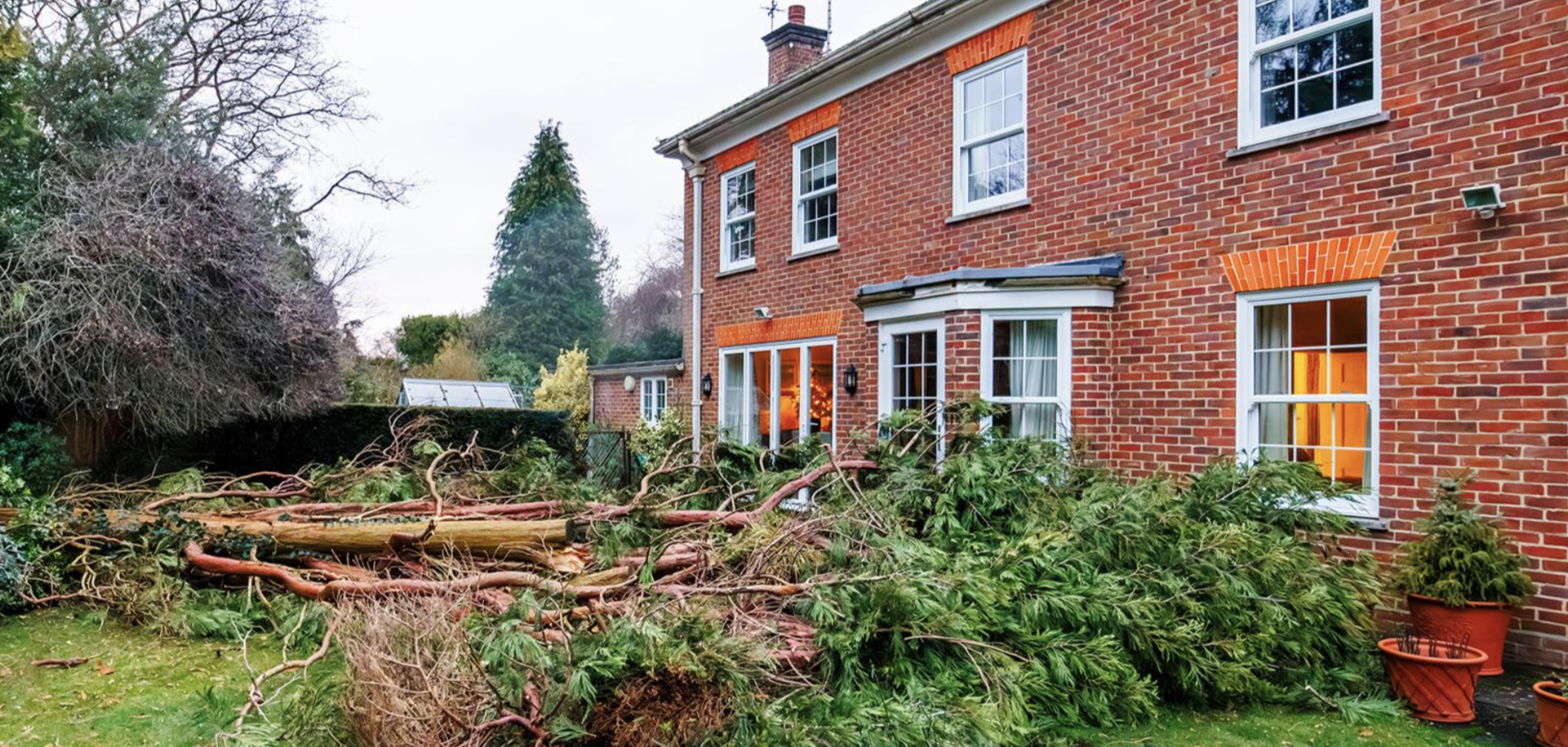
Storm and Wind Damage
Strong winds can break branches, uproot trees, damage fences, and destroy garden structures.
However, there is an important distinction between damage to landscaping and damage to an insured building.
A policy may cover structural damage caused by wind while applying different restrictions to trees, shrubs, and plants.
Tree debris removal may also have separate conditions, such as requiring the fallen tree to damage an insured structure or block an access route.
Do not assume that every fallen tree or damaged flower bed will qualify for reimbursement.
5. What Garden Damage Is Usually NOT Covered?
This is one of the most important sections for homeowners.
Many people assume that if their garden is damaged, their homeowners insurance will pay for repairs. Unfortunately, that is not how most policies work.
Common exclusions and limitations may include:
1. Insects and Pests
Damage caused by termites, beetles, rodents, squirrels, and other pests is generally excluded.
2. Plant Diseases
If your roses, fruit trees, vegetable plants, or ornamental shrubs die because of fungal infections, bacterial diseases, or other plant health problems, homeowners insurance generally will not cover the loss.
3. Poor Maintenance
Neglecting your garden, failing to remove dangerous branches, or allowing preventable deterioration can affect coverage.
4. Drought and Extreme Heat
If a prolonged dry period damages your lawn or causes your plants to die, standard homeowners insurance generally does not provide ordinary drought-loss protection.
5. Flooding
Standard homeowners insurance generally excludes flood damage. Separate flood insurance may be necessary for eligible property losses, but you should not assume it will cover every landscaping expense.
6. Normal Wear and Tear
Old fences, deteriorating garden structures, aging plants, and gradual landscaping deterioration generally do not qualify as sudden insured losses.
7. Commercial Gardening Activities
If you grow plants, flowers, or vegetables for commercial sale, your ordinary homeowners policy may not cover business-related property or losses.
If you operate a nursery, sell plants from your property, or run a gardening business, discuss appropriate business insurance with a qualified insurance professional.
6. Does Homeowners Insurance Cover Garden Sheds and Greenhouses?
Garden sheds and greenhouses are becoming popular features in American backyards.
Homeowners use them to store gardening equipment, protect delicate plants, grow vegetables, and create dedicated gardening spaces.
But are they insured?
The answer depends on the type of structure and how it is used.
Garden Sheds
A detached garden shed may qualify as an other structure under a homeowners insurance policy.
This coverage may protect against certain covered events, such as fire or wind damage, subject to policy conditions and limits.
If your shed contains expensive lawnmowers, power tools, gardening equipment, or outdoor furniture, check whether those belongings are covered separately under personal property coverage.
Greenhouses
A small personal greenhouse may receive different treatment from a large commercial greenhouse.
The materials used, construction, attachment to the home, and intended use can all affect coverage.
If you have invested thousands of dollars in a greenhouse, specialized equipment, heating systems, or irrigation, speak with your insurance provider about suitable protection.
Fences and Pergolas
Fences and certain detached outdoor structures may be covered under the other structures section.
However, coverage restrictions, maintenance exclusions, and separate wind or hurricane deductibles may apply.
Never assume that every outdoor improvement automatically receives full replacement coverage.
7. Can You Purchase Additional Garden or Landscaping Insurance?
What if your garden is worth considerably more than the basic landscaping protection offered by your homeowners policy?
For homeowners with expensive outdoor investments, additional protection may be worth investigating.
Depending on the insurer and location, possible options may include:
Increased landscaping coverage.
Additional protection for valuable trees and shrubs.
Coverage endorsements for specific outdoor structures.
Higher limits for detached buildings.
Separate flood insurance where appropriate.
Business insurance for commercial gardening activities.
Not every insurer offers a standalone garden insurance policy.
In many cases, additional protection is arranged through endorsements or specialized property insurance.
If you have an expensive landscaped backyard, ask your insurance agent whether the standard policy limits are sufficient.
8. How Much Does Homeowners Insurance Cost in the USA in 2026?
Homeowners insurance costs can vary significantly across the United States.
Your location, property value, construction materials, claims history, deductible, coverage limits, and exposure to natural disasters can all influence your premium.
For example, homeowners in areas exposed to hurricanes, wildfires, severe storms, or other major risks may face different insurance pricing and coverage conditions.
When comparing home insurance quotes, look beyond the advertised monthly premium.
A cheaper policy may have lower coverage limits, higher deductibles, or more restrictive exclusions.
Consider comparing:
Annual homeowners insurance premiums.
Dwelling coverage limits.
Other structures coverage.
Personal property protection.
Landscaping coverage limits.
Personal liability insurance.
Deductibles and special weather-related deductibles.
Available insurance endorsements.
You can request homeowners insurance quotes from multiple providers and compare the coverage details before choosing a policy.
The best insurance policy is not necessarily the cheapest one. It is the one that provides appropriate protection for your property at a price you can afford.
9. Seven Smart Ways to Protect Your Garden Investment
Insurance is only one part of protecting your outdoor space.
Preventive maintenance can also reduce the risk of expensive garden damage.
Here are seven practical steps homeowners can follow.
1. Photograph Your Garden Regularly
Take pictures of your trees, flower beds, landscaping, sheds, fences, and other valuable outdoor features. Keep dated photographs in a safe digital location.
2. Maintain Mature Trees
Inspect trees regularly and arrange professional pruning when necessary. Remove dangerous dead branches before they become a bigger problem.
3. Improve Garden Drainage
Poor drainage can cause waterlogging, soil erosion, and damage to plants. Use appropriate drainage solutions to protect your garden.
4. Protect Plants From Extreme Weather
Use suitable protective covers, windbreaks, and other gardening techniques to help vulnerable plants survive harsh weather.
5. Secure Garden Structures
Check the condition of fences, greenhouses, pergolas, sheds, and outdoor storage areas.
6. Keep Receipts and Purchase Records
Save invoices for expensive plants, mature trees, landscaping materials, garden structures, and professional installation services.
7. Review Your Homeowners Insurance Annually
Your garden may become more valuable as it grows. Review your insurance policy whenever you make significant improvements to your outdoor space.
10. Questions to Ask Before Buying Homeowners Insurance
Before purchasing a new policy or renewing your existing coverage, consider asking your insurance agent these questions:
Does my homeowners insurance include landscaping coverage?
What is the total coverage limit for trees, shrubs, and plants?
Is there a maximum payment for each individual tree or plant?
Which natural disasters and other events are covered?
Does the policy cover damage to my garden shed or greenhouse?
Are fences, pergolas, and other outdoor structures included?
Does my policy cover tree removal after a storm?
Do I need additional coverage for expensive landscaping?
Are there separate deductibles for hurricanes, windstorms, or other disasters?
Would a specialized policy or endorsement provide better protection?
Getting clear answers can help you avoid misunderstandings when making a claim.
11. Is Garden Insurance Worth Considering in 2026?
For many homeowners, a garden is much more than an outdoor decoration.
It can be a place to relax, grow fresh vegetables, entertain guests, spend time with family, and enjoy nature.
A professionally landscaped backyard can also represent a significant financial investment.
If you have mature trees, expensive plants, a greenhouse, decorative structures, or extensive landscaping, understanding your insurance coverage is particularly important.
Even if your existing homeowners insurance includes landscaping protection, the limits may not be sufficient to cover the full replacement cost of your outdoor space.
The smartest approach is to review your current policy, understand its exclusions, compare available homeowners insurance options, and ask about additional coverage where necessary.
Remember, insurance is designed to help protect against specific financial risks. It does not replace regular garden maintenance or protect against every possible cause of plant damage.
Frequently Asked Questions (FAQs)
1. Does homeowners insurance cover gardens in the USA?
Some standard homeowners insurance policies provide limited coverage for trees, shrubs, plants, and landscaping when damage results from certain covered events. The actual protection depends on the policy.
2. Are trees covered under homeowners insurance?
Trees may be covered for certain losses, including qualifying fire, lightning, vandalism, and other covered events. Individual plant limits and overall landscaping limits usually apply.
3. Does homeowners insurance cover dead plants?
Generally, no. Plants that die from disease, insects, drought, poor maintenance, or natural aging are typically not covered.
4. Does homeowners insurance cover garden sheds?
A detached garden shed may qualify under the other structures coverage of a homeowners policy. However, limits, exclusions, and permitted uses vary.
5. Is greenhouse insurance available in the USA?
Yes. Depending on the type and use of the greenhouse, protection may be available through homeowners insurance endorsements or specialized commercial property insurance.
6. Does homeowners insurance cover landscaping after a hurricane?
Coverage depends on the policy, the cause of damage, and applicable exclusions or deductibles. Do not assume that all hurricane-related landscaping damage is covered.
7. How much landscaping coverage do homeowners receive?
Some policies provide landscaping coverage equal to approximately 5% of dwelling coverage, with individual plant limits. This is not universal, so homeowners should check their actual policy.
8. Can I insure an expensive backyard garden separately?
Depending on the insurer, additional landscaping protection or specialized coverage may be available. Ask an insurance professional about options for valuable trees, plants, and outdoor structures.
9. Does homeowners insurance cover vegetable gardens?
Some policies may cover qualifying residential landscaping plants, but coverage for vegetable gardens can depend on policy definitions and whether the plants are grown for personal or commercial purposes.
10. How can I check whether my garden is insured?
Read the landscaping or trees, shrubs, and plants section of your homeowners policy. Contact your insurance company or licensed agent to confirm the limits, covered events, exclusions, and available additional protection.
Final Thoughts
Your garden deserves attention, care, and protection just like the rest of your home.
Whether you have a small flower garden, a beautiful backyard lawn, a collection of mature trees, or a fully landscaped outdoor living space, understanding your homeowners insurance coverage can help you make more informed financial decisions.
Before the next unexpected storm or accident, take a few minutes to review your policy and find out what is actually protected.
Because protecting your home should not mean forgetting the beautiful garden that makes it special!
Disclaimer: This article is for general educational and informational purposes only. Insurance coverage, policy limits, exclusions, and availability vary by insurer and state. It is not legal, financial, or insurance advice. Contact a licensed insurance professional and review your policy documents for advice about your individual circumstances.